
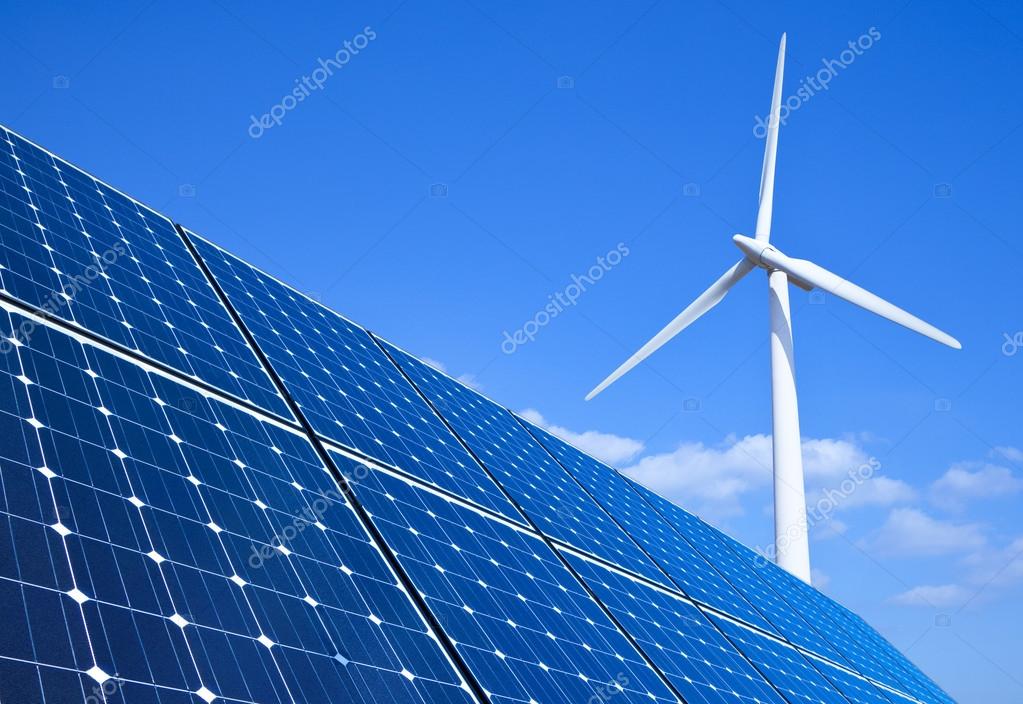
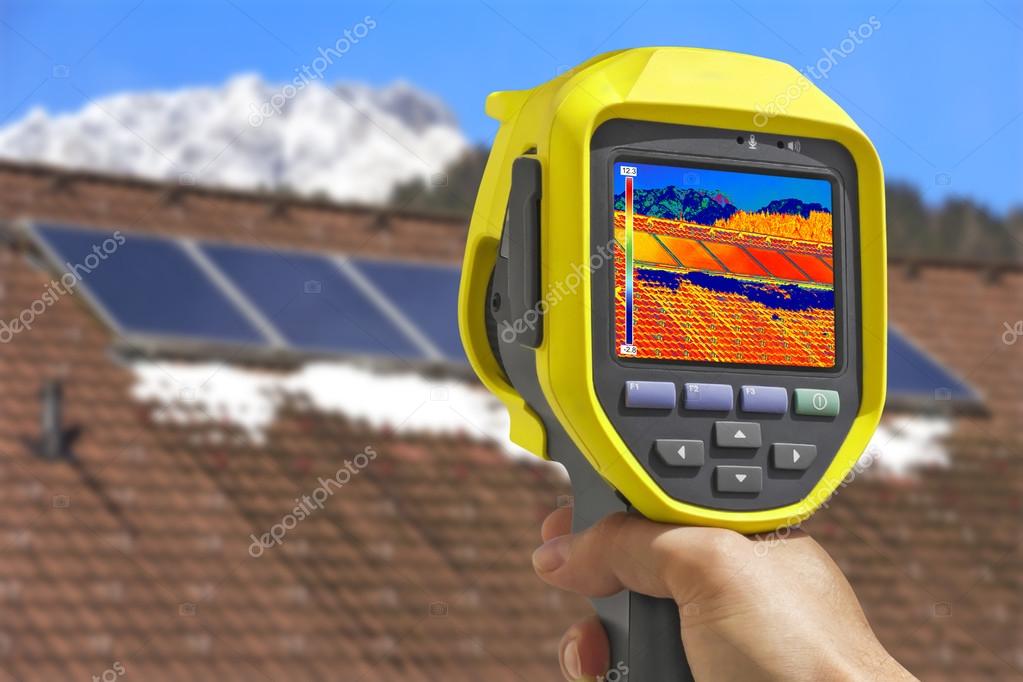
Metal roofing offers superior durability and performance when paired with solar panels, making it an optimal choice for long-term installations. Its longevity and heat-dissipation properties enhance solar efficiency and reduce maintenance costs over the long term.
Key Advantages
Metal roofs last 40-70 years, far outpacing asphalt shingles (20-30 years), aligning perfectly with solar panel lifespans of 25-40 years.[ from prior context]
-
Provides a seamless mounting surface for racking systems, minimising leaks and enabling faster installs—up to 30% quicker than shingle roofs.
-
Reflects heat effectively, lowering panel temperatures by 5-10°C, which boosts energy output by 1% per degree cooler (solar efficiency drops 0.5% per °C above 25°C).
-
Resists fire (Class A rating) and wind uplift, critical for rooftop solar in high-risk areas like coastal India.
Comparison Table
| Feature | Metal Roofing | Asphalt Shingles | Clay Tiles |
|---|---|---|---|
| Lifespan | 50+ years | 20-30 years | 50 years |
| Solar Install Ease | High (clips, no drilling) | Medium (penetrations needed) | Low (heavy, brittle) |
| Heat Impact on Panels | Low (reflective) | High (absorbs heat) | Medium |
| Cost Premium | 20-50% higher upfront | Baseline | 2x higher |
| ROI with Solar | 15-20% faster payback | Standard | Slower due to weight |
Data reflects industry standards; metal’s edge shines in C&I solar projects where downtime costs matter.
Performance Benefits
Cooler panels that leverage metal’s reflectivity increase annual yield by 5-12% in hot climates like Delhi’s summers. Non-penetrating clamps preserve roof warranties, avoiding common shingle tear-offs during panel removal.
Installation Tips
-
Use standing seam clamps for zero penetrations, ideal for solar racking from brands like IronRidge.
-
Pair with microinverters to optimise per-panel output on uneven metal surfaces.
-
In India, galvanised or aluminium-zinc coatings handle monsoon corrosion best.
Real-World Fit for Renewables
For solar consultants, recommend metal for new builds or re-roofs in tenders—cuts lifecycle O&M costs by 40% compared to shingles. Perfect for wind-exposed sites too, complementing your BESS risk strategies. Share on LinkedIn, tagging roof+solar pros!