
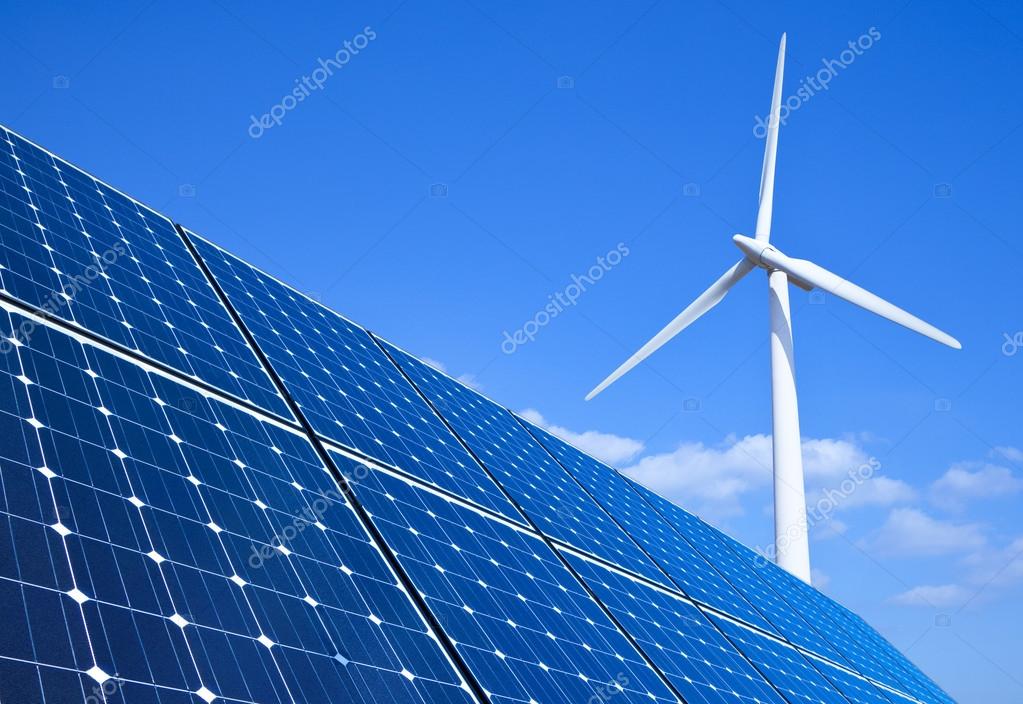
Clean energy growth is expanding rapidly worldwide, but critics often blame it for grid strain and material demands—yet it’s part of the solution to energy security and climate goals, not the problem itself.
Core Criticisms Addressed
Rapid clean energy deployment faces pushback on infrastructure overload and supply chain pressures, yet evidence shows it alleviates bigger issues like fossil fuel volatility.
-
Grid Reliability: Solar and wind variability is managed through storage and demand response, preventing blackouts—2025 global data shows renewables reached 35% of power with fewer outages than coal-heavy grids.
-
Mineral Demands: Battery metals like lithium see mining booms, but recycling rates now exceed 90% for EV packs, and solar uses far less per kWh than fossil backups.
-
Land Use: Critics cite vast solar farms, but distributed rooftop solar (like India’s 10 GW+ potential) occupies <1% of arable land, compared with coal mine sprawl.
Economic and Strategic Wins
Clean energy scales faster than ever, driving jobs and independence in places like India, where solar costs have dropped 85% since 2010.
| Aspect | Clean Energy Impact | Fossil Baseline |
|---|---|---|
| Job Creation | 12M global jobs (2025) | Declining (automation) |
| Cost Decline | Solar LCOE $0.03/kWh | Coal stable $0.06+ |
| Energy Security | Local solar/wind vs. import risks | Geopolitical volatility |
| Emission Cuts | 2 Gt CO2 avoided yearly | Locked-in pollution |
Growth complements grids: BESS buffers peaks, as in your prior solar risk post, enabling 50%+ renewable shares without new coal.
Real-World Momentum
India’s 500 GW RE target by 2030 pairs with grid upgrades, cutting import bills by $50B annually—proven in states like Gujarat with hybrid solar-wind farms. Globally, China’s 1 TW solar lead shows scale solves intermittency via overbuild and storage.
Pro Tip for Posts
Frame as “Clean energy builds resilience amid fossil shortages”—tag policymakers and add your metal roofing/solar+BESS angle for LinkedIn traction among renewables pros.